
Peptides and niacinamide are one of the easiest active pairings to combine, without the irritation concerns of retinol or the formulation issues of vitamin C. Here is why, and what each ingredient actually contributes.
Category Archives: Ingredient Deep-Dive
Science-backed breakdowns of the ingredients that define luxury beauty. Each article examines a single ingredient – its origin, chemistry, and real-world performance – so you understand exactly what you apply to your skin or wear as fragrance.
Peptides and vitamin C both get marketed for firmer, brighter skin, but they don’t always play well together in the same formula. Here is what actually separates them and how to layer them without wasting either one.
Palmitoyl pentapeptide-4 helped popularize the entire signal peptide category in skincare. Here is what makes it different from copper peptides and acetyl hexapeptide-8, and what the research actually shows.
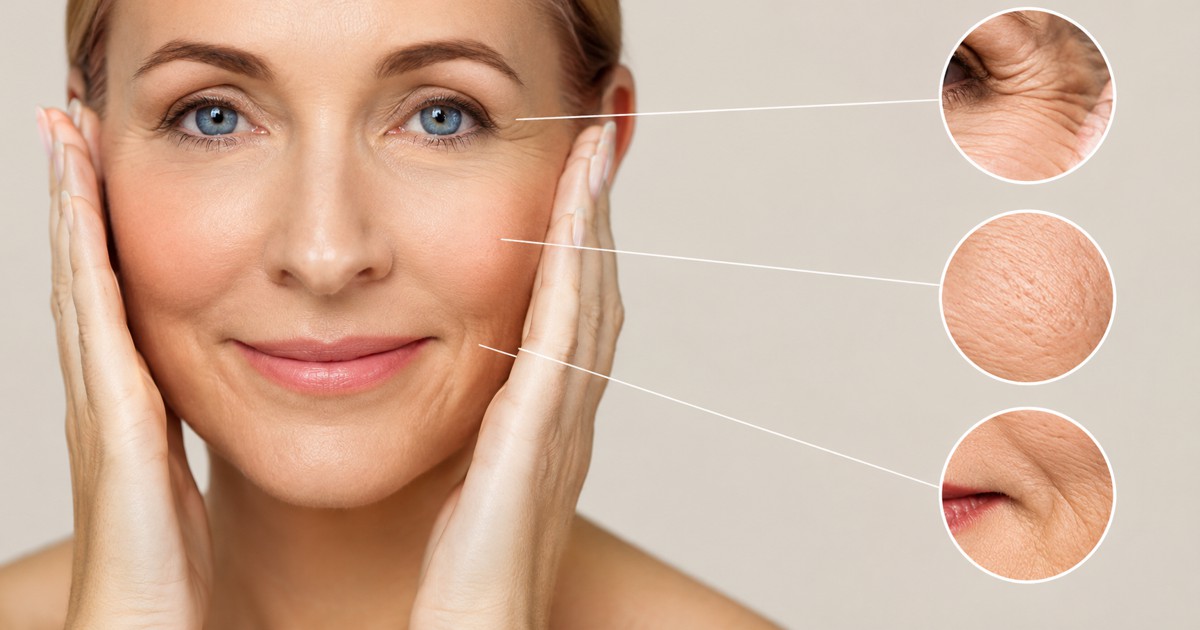
Acetyl hexapeptide-8 is the ingredient behind some of the best-known “instant” wrinkle serums, often marketed alongside comparisons to injectable treatments. Here is what it actually does, and where that comparison breaks down.
Peptides and retinol both show up in anti-aging routines, but they are not interchangeable. Here is how the two actually differ, and a practical way to decide where to start.
Not every peptide in a serum does the same job. This field guide breaks down the main functional categories, what each one is built to do, and which named ingredients fall into each group.
Why Ingredients Matter in Luxury Beauty
Luxury beauty is built on ingredients. Not packaging, not heritage, not price – ingredients. The difference between a $30 moisturizer and a $300 one comes down to what is inside the formula, how it was sourced, and how it was processed. Understanding that difference changes how you shop, how you build a routine, and how you evaluate whether a product earns its place in your collection.
Most beauty content skips this layer. Reviews describe texture and scent. Brand pages list ingredients without context. Marketing copy uses scientific-sounding language that rarely explains anything. The result is that most buyers – even experienced ones – make decisions based on incomplete information.
This category exists to close that gap.
Each Ingredient Deep-Dive examines one ingredient in full. Where it comes from. How it forms or is harvested. What the science says about its performance on skin or in fragrance. How quality varies between sources. What to look for when evaluating a product that features it.
The ingredients covered here are not random. They are the compounds that appear repeatedly across the finest formulations in luxury skincare and niche perfumery – caviar extract, platinum peptides, cellular complexes, agarwood, sustainable musk, Swiss botanical actives, and more. These are ingredients with genuine research behind them, real sourcing challenges, and measurable results when used correctly.
Knowing what oud actually is – and why genuine agarwood costs more per kilogram than gold – changes how you experience a fragrance built around it. Understanding what caviar extract does at a cellular level changes how you assess a serum that features it. That knowledge is the foundation of a more discerning approach to luxury beauty.
Read each article as a reference. Return to it when you encounter an ingredient on a label or in a product description. Use it to ask better questions before you invest.
This is luxury beauty from the inside out.