Peptides and retinol get marketed for the same goal: firmer, smoother-looking skin. That makes them feel interchangeable. They are not. Each works through a different mechanism, suits different skin types, and answers a different question. This guide breaks down the real difference so you can decide where to start, or whether you need both.
Two Different Mechanisms
Retinol is a form of vitamin A. It speeds up skin cell turnover and supports collagen production through a pathway studied for decades. It is one of the most researched ingredients in skincare, with a strong evidence base behind its role in improving the look of fine lines, texture, and tone over consistent use.
Peptides work differently. Signal peptides mimic a fragment your skin already recognizes as part of its natural repair signaling, prompting collagen support through that route instead of accelerating turnover. How Peptides Work in the Body and Skin, Explained Simply covers this mechanism in depth.
Neither ingredient is a weaker or stronger version of the other. They are two different tools aimed at overlapping goals.
Why Retinol Tends to Cause More Irritation
The same cell turnover effect that makes retinol effective also causes redness, flaking, and sensitivity, especially early on or when someone increases frequency faster than their skin adjusts. This adjustment period is well documented. It is why most routines introduce retinol gradually instead of at full strength from day one.
Peptides do not carry this irritation profile, because they skip the accelerated turnover process. That is the main reason peptides get positioned as the gentler option, and why dermatologists often recommend them as a starting point for sensitive skin or for anyone who has reacted poorly to retinol before.
A Practical Way to Decide
Tolerate active ingredients well and never tried retinol? Start there. It has the deepest research base for visible aging, and building up gradually from a lower frequency works for most people.
Sensitive skin, a history of reacting to retinol, or a preference for building tolerance first? Start with a peptide serum instead. Your skin gets the support without the adjustment stress retinol requires.
Already using retinol and tolerating it well? Add a peptide serum. The two work through separate mechanisms, so they do not compete for the same job. Many routines run both, often at different times of day.
Can You Use Both Together?
Yes. This is a common approach. The standard structure: retinol at night, since it increases sun sensitivity and works best without daylight exposure, with a peptide serum layered in the morning or on nights off from retinol.
New to both? Introduce them one at a time. That makes it easy to identify what, if anything, causes irritation. This rule applies to any new active ingredient, not just this pairing.
For those who prefer a single formula rather than layering two products, some brands combine both directly:
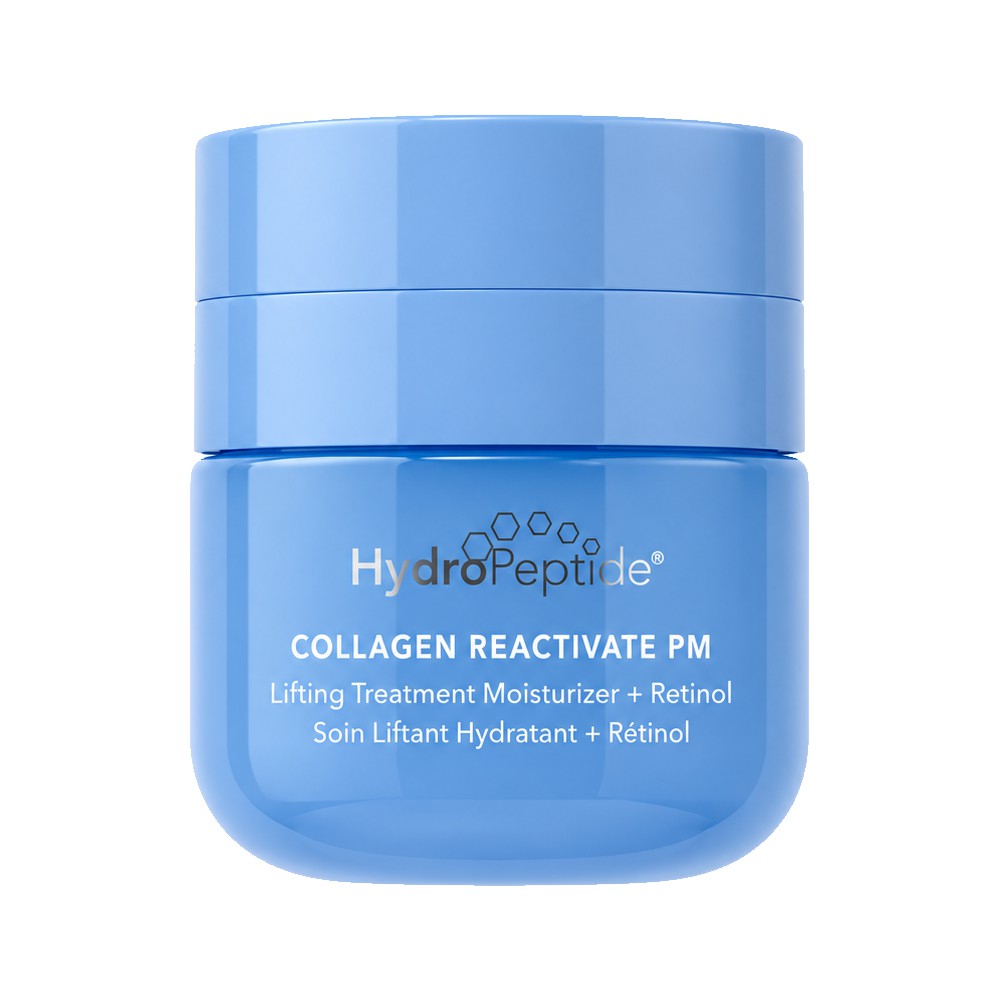
A night treatment combining signal peptides with time-release retinol in a single formula.
What to Look For in Each
Retinol formulation strength varies widely across over-the-counter products. Start with a lower-strength formulation if you are new to the ingredient. For peptides, the specific peptide type and formulation quality matter more than the word “peptide” on the label. How to Choose a Peptide Serum: What to Look for on the Label breaks down what to check.
The Practical Takeaway
Peptides and retinol are not competing versions of the same ingredient. Retinol has the longer research history, a well-established mechanism, and a higher chance of initial irritation. Peptides work through a gentler pathway, with an evidence base that depends on the specific peptide used. Most routines end up using both, layered thoughtfully rather than chosen as an either-or decision.
To evaluate a peptide product specifically, continue to How to Choose a Peptide Serum: What to Look for on the Label, or return to Peptides in Skincare: What They Actually Do for Your Skin for the full category overview.
For a quick lookup of any other named peptide in this series, the Peptide Glossary has the full list in one place.

Related Guides
Wellness Science
The Complete Peptide Glossary: Every Ingredient Explained
A single reference for every named peptide covered across our guides, organized by function, with a one-line summary and a link to the full breakdown for each.
Continue ReadingWellness Science
Peptides and Longevity: Separating Hype from Evidence
Longevity culture talks about peptides constantly, often blending well-supported skincare research with much bigger, far less settled claims about aging itself. Here is how to tell which is which.
Continue ReadingWellness Science
Peptides vs. Proteins vs. Amino Acids: What’s the Difference?
These three words get used as if they mean the same thing. They don't. Here is the actual relationship between amino acids, peptides, and proteins, and why the size difference matters for how each one works.
Continue ReadingIngredient Deep-Dive
Acetyl Hexapeptide-8 Explained: How This Peptide Softens Expression Lines
Acetyl hexapeptide-8 is the ingredient behind some of the best-known "instant" wrinkle serums, often marketed alongside comparisons to injectable treatments. Here is what it actually does, and where that comparison breaks down.
Continue ReadingIngredient Deep-Dive
Peptides vs. Vitamin C: Which Should You Use First?
Peptides and vitamin C both get marketed for firmer, brighter skin, but they don't always play well together in the same formula. Here is what actually separates them and how to layer them without wasting either one.
Continue ReadingWellness Science
Marine vs. Bovine vs. Plant-Based Collagen: How to Choose
Collagen supplements are not all sourced the same way, and the source affects allergies, dietary fit, and even how the product works. Here is how marine, bovine, and plant-based options actually compare.
Continue ReadingIngredient Deep-Dive
Peptides vs. Niacinamide: Can You Use Them Together?
Peptides and niacinamide are one of the easiest active pairings to combine, without the irritation concerns of retinol or the formulation issues of vitamin C. Here is why, and what each ingredient actually contributes.
Continue ReadingWellness Science
What Are Peptides? A Beginner’s Guide to Health and Beauty
Peptides are everywhere, from serum labels to supplement bottles to your feed. This guide explains what they actually are, how they work in skincare and supplements, and what the evidence supports, without the hype.
Continue ReadingWellness Science
How Peptides Work in the Body and Skin, Explained Simply
Peptides are often described as "sending signals" to cells, but what does that actually mean? Here is what happens between applying a serum or taking a supplement and any visible result.
Continue Reading