Acetyl hexapeptide-8 is one of the most heavily marketed peptides in skincare, often sold under a well-known branded name and frequently compared, at least in spirit, to injectable treatments. That comparison is where most of the confusion around this ingredient starts. Here is what it actually is, how it works, and where the marketing gets ahead of the mechanism.
What Acetyl Hexapeptide-8 Actually Is
Acetyl hexapeptide-8 is a synthetic peptide, a short chain of six amino acids with an acetyl group attached, built to interfere with a specific step in the signaling process that triggers small, repeated muscle contractions in skin. This puts it in the neurotransmitter-inhibiting category covered in Signal, Carrier, and Neurotransmitter-Inhibiting Peptides: A Field Guide, a mechanically distinct group from the collagen-supporting signal peptides and mineral-delivering carrier peptides covered elsewhere in this series.
How It Works, Mechanically
Muscle contraction relies on a chain of signals: a nerve releases specific proteins that trigger the muscle fiber to contract. Acetyl hexapeptide-8 interferes with part of that release process at a surface level, reducing the intensity of the small, repeated contractions involved in forming expression lines over time, such as those around the forehead or eye area.
This is a genuinely different mechanism from collagen-focused peptides. A signal peptide like the one covered in our general skincare overview works by encouraging skin structure from within; acetyl hexapeptide-8 works by softening the muscle movement that contributes to a line forming in the first place. Neither approach replaces the other, which is part of why some formulas combine multiple peptide types rather than relying on one.
Why It Gets Compared to Injectable Treatments
Acetyl hexapeptide-8 is frequently marketed with language suggesting it works “like” a well-known injectable treatment, since both, in very different ways and to very different degrees, involve reducing muscle-related movement associated with expression lines. Reaching for the comparison is understandable, but the two sit nowhere near each other on paper. Injectable treatments are prescription medicines, administered by a licensed provider, working at a different depth and intensity entirely. A topical peptide interacting with surface-level signaling is a fundamentally different category of product, with different regulatory status, different intensity of effect, and different safety considerations, covered in Are Peptides Safe? What the Science (and Regulation) Actually Say.
Marketing that leans hard on this comparison overstates what a topical, cosmetically regulated ingredient can realistically do. A legitimately marketed product using this ingredient can describe supporting the appearance of smoother-looking skin or softening the look of expression lines with consistent use; it cannot claim to replicate the effect of a medical procedure.
What the Research Actually Shows
Published research, including a recent independent review of the ingredient’s permeability and efficacy, has looked at outcomes like the visible depth of expression lines after weeks of consistent topical use, generally showing modest support for smoother appearance rather than a dramatic, immediate change. That same review notes an open question worth passing along honestly: due to its size and water-attracting chemistry, acetyl hexapeptide-8 has difficulty penetrating skin’s outer layer, so exactly how much of it reaches the neuromuscular signaling it’s intended to affect remains unclear. As with other peptides covered throughout this series, results vary by concentration, formulation, and the individual, and the overall body of independent research is smaller than the decades of data behind an ingredient like retinol.
The honest framing here, consistent with how we cover every ingredient in this series: this is a legitimate cosmetic ingredient with solid research behind a specific, modest job. It is not a replacement for medical procedures, and any marketing implying otherwise is overstating the evidence.
How to Spot It on a Label and What to Expect
Acetyl hexapeptide-8 is often sold under a proprietary branded name in addition to its chemical name, so checking the actual ingredient list, not just the marketing name on the front of the bottle, is the reliable way to confirm it is present. As with any peptide, its position on the ingredient list signals how much is actually in the formula, a point covered in How to Choose a Peptide Serum.
It is also commonly combined with signal peptides and carrier ingredients in multi-peptide formulas, since each works through a separate mechanism.
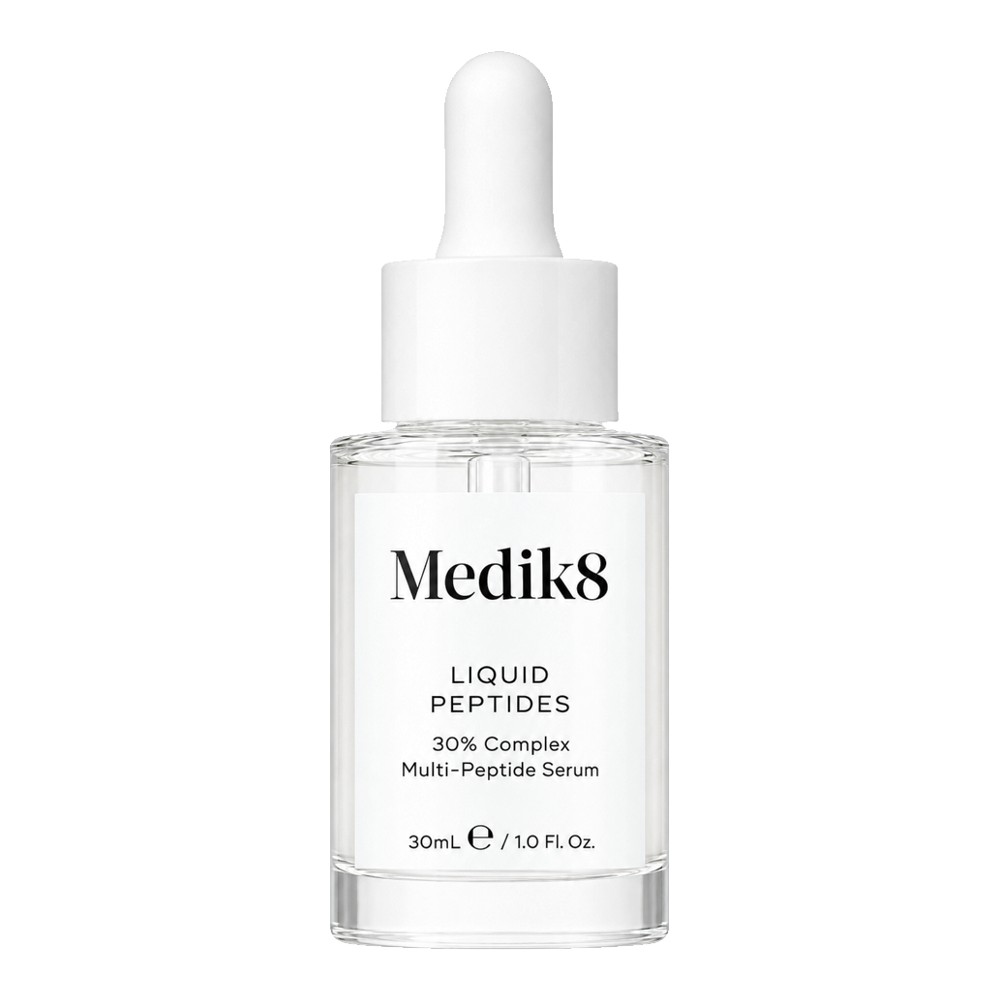
A dense multi-peptide serum containing twelve named peptides, including palmitoyl pentapeptide-4.
Results, where they occur, tend to build gradually with consistent use over weeks rather than appearing after a single application, despite how some marketing frames the “instant” effect.
The Practical Takeaway
Acetyl hexapeptide-8 is a legitimate, mechanically distinct peptide with a specific, modest role: softening the look of expression lines by interfering with the surface-level signaling behind repeated muscle contraction. It is not a topical substitute for an injectable procedure, regardless of how the comparison is marketed, and the research behind it, while real, is more limited than for better-established actives like retinol.
To see how this peptide type fits alongside carrier and signal peptides in a full routine, return to Signal, Carrier, and Neurotransmitter-Inhibiting Peptides: A Field Guide, or start from Peptides in Skincare: What They Actually Do for Your Skin for the full category overview.
For a quick lookup of any other named peptide in this series, the Peptide Glossary has the full list in one place.

Related Guides
Ingredient Deep-Dive
Signal, Carrier, and Neurotransmitter-Inhibiting Peptides: A Field Guide
Not every peptide in a serum does the same job. This field guide breaks down the main functional categories, what each one is built to do, and which named ingredients fall into each group.
Continue ReadingWellness Science
Are Peptides Safe? What the Science (and Regulation) Actually Say
Peptides sit in three very different regulatory categories: cosmetics, supplements, and medicine. Here is what that split actually means for safety, and how to tell which category a product falls into.
Continue ReadingWellness Science
How Peptides Work in the Body and Skin, Explained Simply
Peptides are often described as "sending signals" to cells, but what does that actually mean? Here is what happens between applying a serum or taking a supplement and any visible result.
Continue ReadingWellness Science
The Complete Peptide Glossary: Every Ingredient Explained
A single reference for every named peptide covered across our guides, organized by function, with a one-line summary and a link to the full breakdown for each.
Continue ReadingIngredient Deep-Dive
Copper Peptides (GHK-Cu) Explained: Benefits and How They Work
Copper peptides show up in serums under a few different names, but GHK-Cu is the one with the longest research history. Here is what it actually does and how it differs from other peptide types.
Continue ReadingWellness Science
Peptides for Joint and Cartilage Health: What Collagen Supplements Can (and Can’t) Do
Collagen peptides are commonly marketed for joint comfort, but the research and the marketing don't always line up. Here is what the evidence supports, and when joint pain needs more than a supplement.
Continue ReadingWellness Science
Why Are Peptides Suddenly Everywhere? Understanding the Trend
Peptides didn't become a household word by accident. Several separate trends converged at once, from biotech advances to a completely unrelated medical news cycle. Here is what's actually behind the surge.
Continue ReadingWellness Science
Peptides for Hair Growth: What’s Backed by Evidence and What Isn’t
Peptide serums and supplements for hair are a growing category, but the evidence varies widely by product type. Here is what's actually supported, and when hair thinning calls for a doctor rather than a shampoo.
Continue ReadingIngredient Deep-Dive
Acetyl Hexapeptide-8 Explained: How This Peptide Softens Expression Lines
Acetyl hexapeptide-8 is the ingredient behind some of the best-known "instant" wrinkle serums, often marketed alongside comparisons to injectable treatments. Here is what it actually does, and where that comparison breaks down.
Continue Reading