Before “peptide” became a mainstream skincare buzzword, palmitoyl pentapeptide-4 was already quietly building the research base that made the whole category credible. It remains one of the most studied and most widely used signal peptides on the market. Here is what it actually is, how it works, and what sets it apart from the other named peptides covered in this series.
What Palmitoyl Pentapeptide-4 Actually Is
Palmitoyl pentapeptide-4 is a synthetic peptide made of five amino acids attached to a fatty acid chain, palmitic acid, which helps it penetrate the skin’s outer layer more effectively than the peptide fragment could on its own. This places it in the signal peptide category, covered in Signal, Carrier, and Neurotransmitter-Inhibiting Peptides: A Field Guide, the group built around mimicking fragments the skin already recognizes as part of its own repair process.
It is often sold under a well-known proprietary branded name, in addition to its chemical name, which is part of why many people have encountered its effects without necessarily knowing the underlying ingredient name on the label.
How It Works, Mechanically
Palmitoyl pentapeptide-4 mimics a fragment of collagen that appears when skin’s repair process breaks existing collagen down. Presenting skin cells with this fragment signals that repair is underway, prompting cells to respond as though rebuilding is needed, which can support the skin’s own collagen production over time.
This mechanism differs from acetyl hexapeptide-8, covered in our dedicated guide to that ingredient, which works by interfering with muscle contraction signals rather than encouraging collagen production. It also differs from copper peptides like GHK-Cu, covered in Copper Peptides (GHK-Cu) Explained, which work by delivering a trace mineral to cells rather than mimicking a repair fragment directly. All three are peptides; all three do genuinely different jobs.
Why This Peptide Has an Unusually Strong Research History
Palmitoyl pentapeptide-4 has one of the longer, more frequently cited research histories among skincare peptides, with studies going back further than many newer peptides now marketed alongside it. This matters because claims associated with this specific ingredient are easier to evaluate against independent, published research than claims for peptides with a thinner or more recent evidence base.
Published research, including recent laboratory studies on collagen synthesis and extracellular matrix remodeling, has looked at outcomes like the visible appearance of fine lines and skin texture after weeks of consistent use, with some studies showing measurable improvement compared to a placebo formula. Unlike GHK-Cu, covered in our guide to that ingredient, the published research on palmitoyl pentapeptide-4 comes from independent academic groups without an apparent commercial connection to companies selling it. As with every ingredient covered in this series, results vary by study, concentration, and individual, and the claims that a legitimately marketed product can make are limited to structure and function language, covered fully in Are Peptides Safe? What the Science (and Regulation) Actually Say: supporting the appearance of firmness or smoother texture, not treating or reversing any skin condition.
How to Spot It on a Label
Palmitoyl pentapeptide-4 is commonly listed under its chemical name directly, though it may also appear under a proprietary branded name in a formula’s marketing copy. As with any peptide, checking where it falls in the ingredient list gives you a sense of how much is actually in the product, a point covered in How to Choose a Peptide Serum. It is frequently combined with other peptide types, including copper peptides or acetyl hexapeptide-8, in multi-peptide formulas, since each targets a different mechanism rather than competing for the same job.
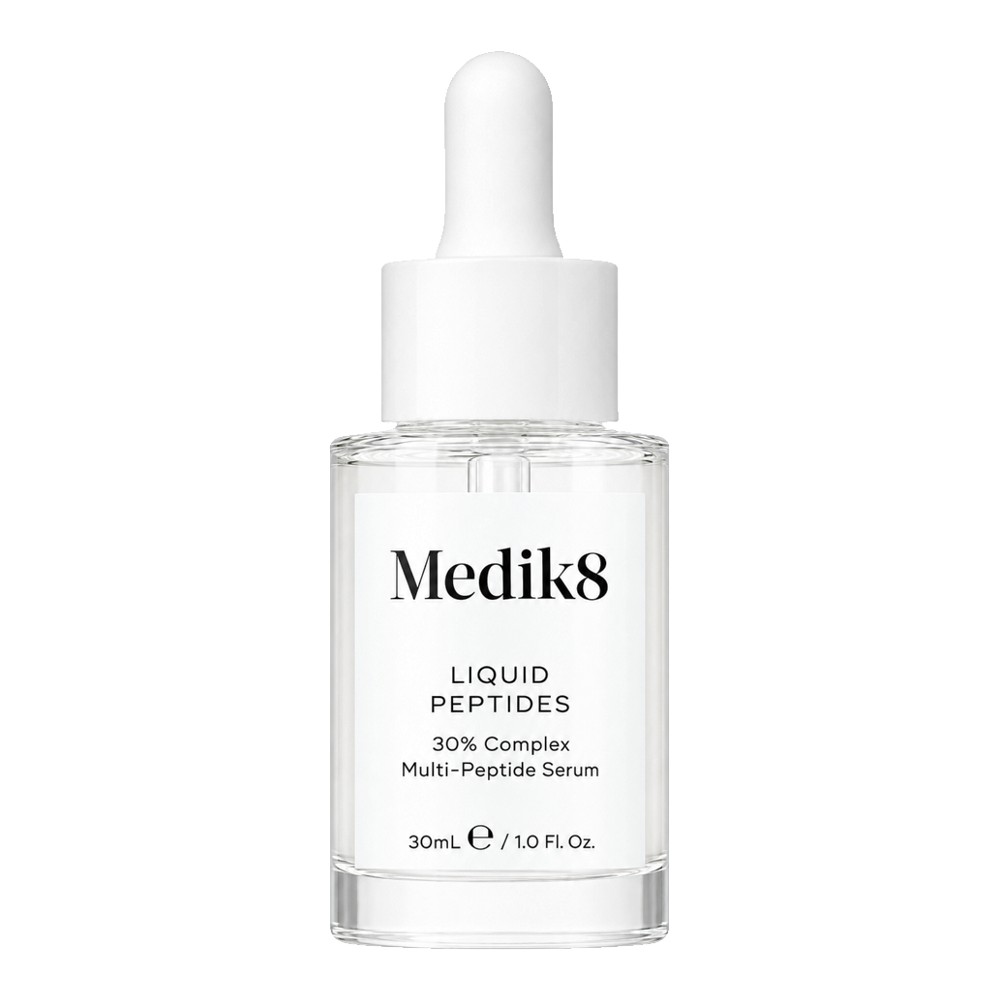
A dense multi-peptide serum containing twelve named peptides, including palmitoyl pentapeptide-4.
The Practical Takeaway
Palmitoyl pentapeptide-4 is one of the better-researched entries in the signal peptide category, with a longer independent evidence base than many newer peptides marketed alongside it. It works by encouraging the skin’s own collagen production, a distinct mechanism from copper peptides’ mineral delivery or acetyl hexapeptide-8’s muscle-signal interference. Together, these three ingredients cover the three major functional categories most commonly used in skincare today.
To see how all three fit together in a single routine, return to Signal, Carrier, and Neurotransmitter-Inhibiting Peptides: A Field Guide, or start from Peptides in Skincare: What They Actually Do for Your Skin for the full category overview.
For a quick lookup of any other named peptide in this series, the Peptide Glossary has the full list in one place.

Related Guides
Wellness Science
Peptides for Hair Growth: What’s Backed by Evidence and What Isn’t
Peptide serums and supplements for hair are a growing category, but the evidence varies widely by product type. Here is what's actually supported, and when hair thinning calls for a doctor rather than a shampoo.
Continue ReadingWellness Science
Are Peptides Safe? What the Science (and Regulation) Actually Say
Peptides sit in three very different regulatory categories: cosmetics, supplements, and medicine. Here is what that split actually means for safety, and how to tell which category a product falls into.
Continue ReadingWellness Science
Marine vs. Bovine vs. Plant-Based Collagen: How to Choose
Collagen supplements are not all sourced the same way, and the source affects allergies, dietary fit, and even how the product works. Here is how marine, bovine, and plant-based options actually compare.
Continue ReadingWellness Science
How Peptides Work in the Body and Skin, Explained Simply
Peptides are often described as "sending signals" to cells, but what does that actually mean? Here is what happens between applying a serum or taking a supplement and any visible result.
Continue ReadingIngredient Deep-Dive
Palmitoyl Pentapeptide-4 Explained: The Original Signal Peptide
Palmitoyl pentapeptide-4 helped popularize the entire signal peptide category in skincare. Here is what makes it different from copper peptides and acetyl hexapeptide-8, and what the research actually shows.
Continue ReadingWellness Science
Peptides vs. Proteins vs. Amino Acids: What’s the Difference?
These three words get used as if they mean the same thing. They don't. Here is the actual relationship between amino acids, peptides, and proteins, and why the size difference matters for how each one works.
Continue ReadingIngredient Deep-Dive
Peptides vs. Vitamin C: Which Should You Use First?
Peptides and vitamin C both get marketed for firmer, brighter skin, but they don't always play well together in the same formula. Here is what actually separates them and how to layer them without wasting either one.
Continue ReadingWellness Science
Why Are Peptides Suddenly Everywhere? Understanding the Trend
Peptides didn't become a household word by accident. Several separate trends converged at once, from biotech advances to a completely unrelated medical news cycle. Here is what's actually behind the surge.
Continue ReadingWellness Science
What Are Peptides? A Beginner’s Guide to Health and Beauty
Peptides are everywhere, from serum labels to supplement bottles to your feed. This guide explains what they actually are, how they work in skincare and supplements, and what the evidence supports, without the hype.
Continue Reading