Copper peptides are one of the older, more researched entries in the skincare peptide category, and GHK-Cu is the specific complex behind most of that research. If a serum label mentions “copper peptides” or “copper tripeptide,” it is referring to GHK-Cu. Here is what it actually is, how it works, and what the evidence around it looks like.
What GHK-Cu Actually Is
GHK-Cu is a naturally occurring copper complex, made of a small tripeptide, glycyl-histidyl-lysine, bound to a copper ion. It occurs naturally in human plasma, but levels decline with age, which is part of why it drew research interest for skin and wound-related applications in the first place.
As a carrier peptide, its structural role is to bind copper and help deliver it to cells. Copper is a trace mineral your body uses in several processes related to tissue maintenance and repair. GHK-Cu functions as a transport mechanism for it, a different mechanical job than a signal peptide, which works by mimicking a repair fragment directly. Signal, Carrier, and Neurotransmitter-Inhibiting Peptides: A Field Guide covers the distinction between these peptide categories.
What the Research Actually Supports
GHK-Cu has a longer published research history than many newer peptides marketed in skincare, including laboratory and clinical studies on skin appearance, firmness, and the visible look of fine lines with regular topical use over time. Some research has also examined its role in supporting the skin’s own collagen and elastin production processes. Much of this research, including the review linked above, traces back to a research team affiliated with a company that sells copper peptide skincare products, which is worth factoring in when weighing how independent this particular body of evidence is.
Published research supports GHK-Cu’s role in the skin’s appearance and structural support processes. It is not studied or marketed as a treatment for any medical skin condition. Products containing it are regulated and marketed as cosmetics for that reason, using structure and function language such as “supports the appearance of firmness” rather than treatment claims. Are Peptides Safe? What the Science (and Regulation) Actually Say covers the broader distinction between cosmetic claims and medical claims.
How It Shows Up on Ingredient Labels
Copper peptides appear under a few different names on an ingredient list, most commonly Copper Tripeptide-1, sometimes listed with the GHK-Cu name directly. Concentration is rarely printed on consumer labels, which makes it hard to compare products directly on paper. Formulation quality affects real-world performance as much as the presence of the ingredient itself.
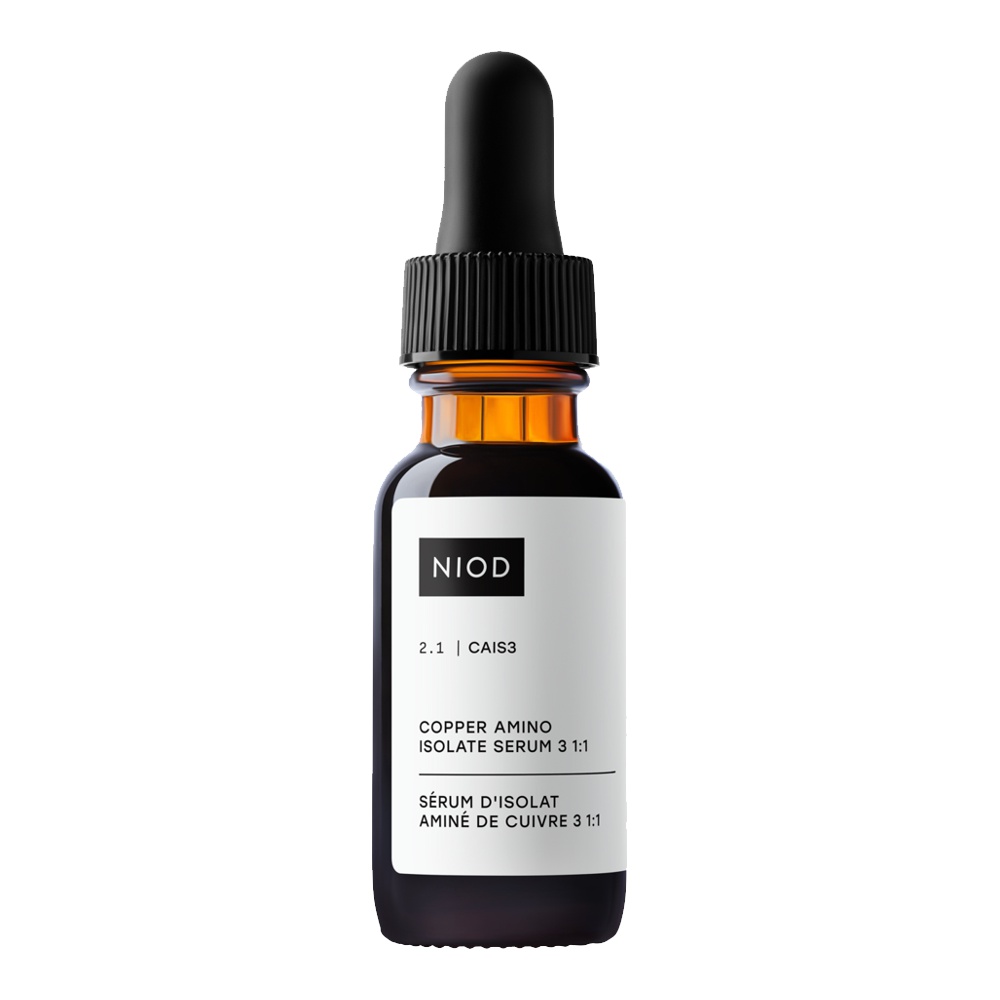
A serum built directly around 1% GHK-Cu copper peptide, the exact ingredient covered in our dedicated guide.
How the product is stabilized and delivered matters just as much, a point covered in How to Choose a Peptide Serum: What to Look for on the Label.
How Copper Peptides Compare to Other Common Actives
Copper peptides are sometimes positioned as an alternative to retinol for people who find retinol too irritating, since copper peptide formulas tend to be gentler on skin. They are not a direct substitute in terms of mechanism, since they work through a different pathway, but the two are frequently compared for this reason. Peptides vs. Retinol: Which Should You Use First? covers that comparison directly.
Copper peptides are also sometimes combined in the same routine with other peptide types, such as signal peptides, since they work through different mechanisms rather than competing for the same job.
Who Might Want to Be Cautious
Copper peptide formulas are well tolerated overall, but individual skin sensitivity varies, as with any active ingredient. Some formulations can cause mild irritation in sensitive skin, particularly at higher concentrations or when introduced alongside several other new actives at once. Patch test any new product before adding it to your routine.
The Practical Takeaway
GHK-Cu is one of the more established, better-researched peptides in the skincare category, with solid evidence behind its role in supporting skin’s appearance and structural maintenance processes over consistent use. It is not a cure for anything, and no legitimately marketed copper peptide product will claim otherwise. What matters when choosing a product is formulation quality and consistent use, not just the presence of the ingredient name on the label.
To see how copper peptides fit alongside other peptide types in a full routine, continue to Signal, Carrier, and Neurotransmitter-Inhibiting Peptides: A Field Guide, or return to Peptides in Skincare: What They Actually Do for Your Skin for the full category overview.
For a quick lookup of any other named peptide in this series, the Peptide Glossary has the full list in one place.

Related Guides
Ingredient Deep-Dive
Peptides vs. Vitamin C: Which Should You Use First?
Peptides and vitamin C both get marketed for firmer, brighter skin, but they don't always play well together in the same formula. Here is what actually separates them and how to layer them without wasting either one.
Continue ReadingIngredient Deep-Dive
Signal, Carrier, and Neurotransmitter-Inhibiting Peptides: A Field Guide
Not every peptide in a serum does the same job. This field guide breaks down the main functional categories, what each one is built to do, and which named ingredients fall into each group.
Continue ReadingIngredient Deep-Dive
Peptides vs. Niacinamide: Can You Use Them Together?
Peptides and niacinamide are one of the easiest active pairings to combine, without the irritation concerns of retinol or the formulation issues of vitamin C. Here is why, and what each ingredient actually contributes.
Continue ReadingWellness Science
The Complete Peptide Glossary: Every Ingredient Explained
A single reference for every named peptide covered across our guides, organized by function, with a one-line summary and a link to the full breakdown for each.
Continue ReadingWellness Science
Marine vs. Bovine vs. Plant-Based Collagen: How to Choose
Collagen supplements are not all sourced the same way, and the source affects allergies, dietary fit, and even how the product works. Here is how marine, bovine, and plant-based options actually compare.
Continue ReadingIngredient Deep-Dive
Palmitoyl Pentapeptide-4 Explained: The Original Signal Peptide
Palmitoyl pentapeptide-4 helped popularize the entire signal peptide category in skincare. Here is what makes it different from copper peptides and acetyl hexapeptide-8, and what the research actually shows.
Continue ReadingWellness Science
Peptides and Longevity: Separating Hype from Evidence
Longevity culture talks about peptides constantly, often blending well-supported skincare research with much bigger, far less settled claims about aging itself. Here is how to tell which is which.
Continue ReadingWellness Science
Why Are Peptides Suddenly Everywhere? Understanding the Trend
Peptides didn't become a household word by accident. Several separate trends converged at once, from biotech advances to a completely unrelated medical news cycle. Here is what's actually behind the surge.
Continue ReadingWellness Science
Are Peptides Safe? What the Science (and Regulation) Actually Say
Peptides sit in three very different regulatory categories: cosmetics, supplements, and medicine. Here is what that split actually means for safety, and how to tell which category a product falls into.
Continue Reading