You’ve invested in that gorgeous serum everyone’s been raving about. The packaging is stunning, the texture feels like silk, and the price tag – well, let’s just say it required some justification. But three weeks in, you’re squinting at your reflection wondering: is this actually doing anything?
Here’s the truth that most beauty brands don’t want you to know: the most expensive product in the world won’t transform your skin if you’re not using it correctly. I’ve watched countless friends spend hundreds on premium skincare only to slather it on haphazardly between checking their phones, wondering why their results don’t match the before-and-after photos they saw online.
The secret to getting your money’s worth from luxury skincare isn’t buying more products – it’s understanding how to make them work together. Think of it like cooking: you can have the finest ingredients in the world, but if you don’t know the right order to add them or the proper technique, you’ll end up with an expensive mess instead of a masterpiece.
The One Thing That Changes Everything
I’ll never forget the moment a Swiss dermatologist in Zurich told me something that completely changed how I thought about skincare. I was showing her my elaborate routine – ten products, meticulously chosen, religiously applied – and she smiled knowingly before asking a simple question: “But are you preparing your skin to actually receive all of this?”
I stared at her blankly. Preparing my skin? I was cleansing. Wasn’t that enough?
She explained it like this: imagine trying to water a garden with compacted, dry soil. You can pour the most expensive, nutrient-rich water on it all day long, but if the soil isn’t receptive, most of it will just run off the surface. Your skin works the same way. After cleansing, your skin needs to be “opened up” and balanced before it can truly absorb all those active ingredients you’re spending so much money on.
This is why the toning step – often dismissed as old-fashioned or optional – is actually the secret weapon of anyone who gets real results from their skincare. Not the harsh, alcohol-laden toners of the 1990s that left your skin feeling tight and stripped. I’m talking about modern, sophisticated formulas that do the invisible but crucial work of preparing your skin to receive everything that comes after.
When I finally understood this and adjusted my routine accordingly, everything changed. That vitamin C serum that seemed to just sit on my skin? Suddenly absorbing within seconds. The expensive night cream that felt heavy? Now melting in effortlessly. The difference was so dramatic that I actually thought the products themselves had somehow changed formula.
Skincare
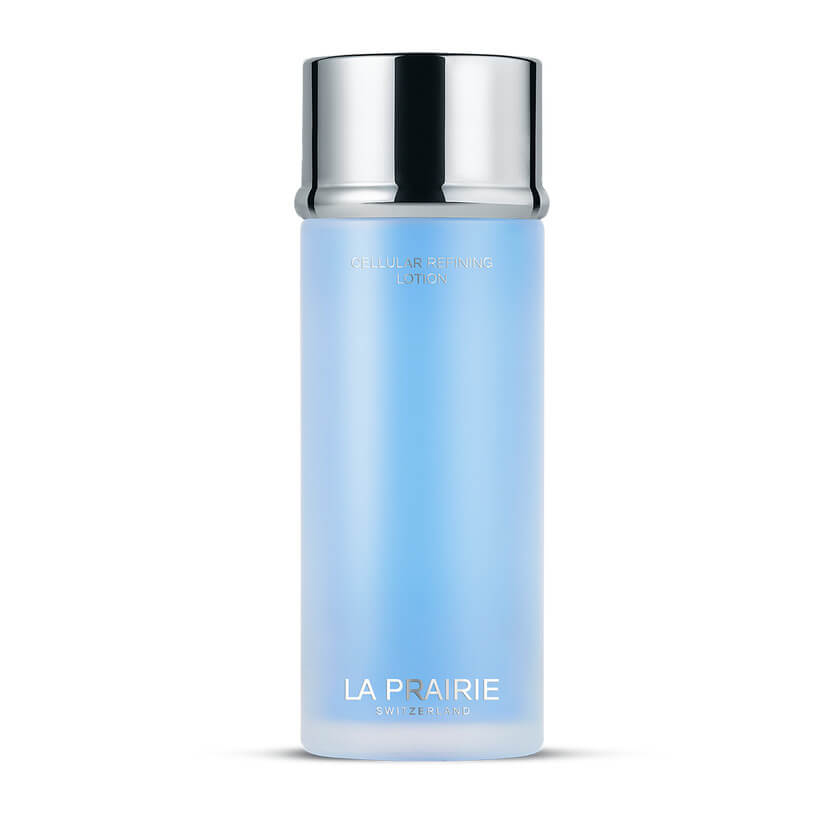
A luxurious, alcohol-free toner made in Switzerland. It gently removes residual makeup and impurities, kick-starts hydration, and soothes skin while helping refine the look of pores and prep skin for serum and moisturizer.
Why Most People Get the Order Wrong
We’ve all been guilty of it – rushing through our skincare routine while mentally composing emails or scrolling through social media. You cleanse quickly, maybe splash some toner if you remember, then immediately pile on your serum and moisturizer before the first layer has even settled. Ten minutes later, you’re not sure if your skin has absorbed anything or if it’s all just sitting on the surface in a slippery, expensive puddle.
The problem is that we’ve been conditioned to think of skincare as a checkbox exercise. Cleanser: check. Serum: check. Moisturizer: check. But effective skincare isn’t about checking boxes – it’s about creating the right conditions for each product to do its job.
Here’s what actually needs to happen: after cleansing, your skin’s pH is disrupted. You’ve also potentially left behind traces of makeup, the minerals from your tap water, even microscopic residue from the cleanser itself. Your skin is like a canvas that looks clean but isn’t quite ready for the masterpiece yet.
This is where a quality toner becomes essential. But not just any toner – you need one that’s doing real work. The Swiss approach to skincare, which has influenced luxury beauty worldwide, puts enormous emphasis on this preparatory step. Swiss beauty scientists understand that skin is a sophisticated organ, not a simple surface, and it needs to be treated with corresponding sophistication.
Take something like La Prairie’s Cellular Refining Lotion, which exemplifies this philosophy. It’s not just refreshing your skin or making it feel clean – it’s actively refining pores, removing every last trace of impurity, and beginning the hydration process before you even reach for your serum. The formula includes chamomile and cucumber extracts that calm and soothe, while fermented ingredients support your skin’s natural barrier function. Most impressively, it contains La Prairie’s exclusive Cellular Complex™, which actually protects your cells from environmental damage while supporting their natural renewal processes.
When you use a toner like this, you’re not just adding another step – you’re ensuring that every product that follows can penetrate deeper and work more effectively. It’s the difference between your skin sipping expensive serums at the surface versus drinking them in deeply where they can actually create change.
The Right Way to Layer Your Luxury Products
Once your skin is properly prepared with a quality toner, everything else falls into place more naturally. The key is thinking in terms of texture – go from lightest to heaviest. Your watery serums first, then your thicker treatments, finishing with creams that seal everything in.
But here’s what nobody talks about: the pauses matter just as much as the products. After applying your toner, wait thirty seconds. Let it sink in. Use this moment to take a breath, look at yourself without judgment, maybe even acknowledge that you’re taking care of yourself. Then apply your serum, and again – pause. Give it time to absorb before you seal it in with moisturizer.
I know what you’re thinking: who has time for all these pauses? But we’re talking about thirty-second intervals, not meditation retreats. The total difference between a rushed routine and a properly paced one is maybe three extra minutes. Three minutes that determine whether your $200 serum actually works or just evaporates on your bathroom counter.
And here’s the beautiful part: once you start doing this correctly, you’ll need less product. That serum you were pumping three times because it didn’t seem to be doing anything? You’ll find that one or two pumps on properly prepared skin goes much further. Your luxury products will last longer, work better, and you’ll actually see the results you paid for.
The Morning Versus Evening Difference
Your skin has different needs in the morning versus the evening, and your routine should reflect that. In the morning, you’re preparing your skin to face the world – environmental stressors, pollution, UV rays, the recycled air of your office. Your morning routine should be about protection and a fresh, comfortable base for the day ahead.
Evening is different. While you sleep, your skin shifts into repair mode. Cell regeneration happens faster at night, which is why nighttime is when you want to use your more active, treatment-focused products. This is when you can incorporate stronger ingredients like retinoids or acids, knowing your skin has uninterrupted hours to absorb and benefit from them without any environmental interference.
But both routines should start the same way: thorough cleansing followed by proper preparation with a quality toner. This consistency ensures your skin is always in the optimal state to receive treatment, whether you’re gearing up for your day or settling in for the night.
What Changed When I Got It Right
I wish I could tell you that fixing my routine order resulted in some dramatic overnight transformation, like those suspicious before-and-after photos you see on Instagram. The truth was subtler but somehow more satisfying. After about three weeks of properly preparing my skin and spacing out my applications, I noticed my makeup was sitting better. My skin felt softer when I touched my face absentmindedly during the day. The little rough patches around my nose just disappeared without me really noticing when.
Then one morning, about six weeks in, I was putting on moisturizer and realized my pores looked smaller. Not invisible – skin has pores, that’s normal and healthy – but definitely more refined. My complexion looked clearer, more even. And that expensive brightening serum I’d been ready to declare a waste of money? Suddenly I could see it working.
The biggest change, though, was realizing that I actually looked forward to my skincare routine now. It wasn’t a chore I rushed through, but a few minutes twice a day when I paid attention to myself. When you take the time to do something properly, it somehow transforms from an obligation into a ritual.
The Investment That Multiplies Your Other Investments
Here’s my final piece of hard-won wisdom: if you’re going to invest in luxury skincare, invest in the preparation step first. A truly excellent toner will make every single product that follows it work better. It’s the multiplier that amplifies all your other investments.
You can have the most advanced serum technology, the most expensive moisturizer, the latest innovation in eye cream – but if your skin isn’t properly prepared to receive them, you’re essentially throwing money away. On the flip side, when you nail the preparation step, even moderately priced serums and moisturizers will perform better than they would otherwise.
Think of it this way: would you rather have five luxury products working at 60% effectiveness, or three luxury products working at 100%? The second option will always give you better results, save you money, and simplify your life. The secret is ensuring your skin is primed and ready to extract every drop of benefit from what you’re giving it.
Luxury skincare isn’t about having more products or spending more money. It’s about understanding your skin well enough to give it exactly what it needs, in exactly the right way, and having the patience to let each step do its work. Master the fundamentals – proper cleansing, thorough preparation, and strategic layering – and suddenly all those premium products you’ve been collecting will finally start living up to their promises.
Your skin deserves more than expensive products hastily applied. It deserves a routine that actually works – one that respects the sophistication of both the formulas you’re using and the remarkable organ you’re applying them to. Get the order right, take those crucial pauses, and invest in proper preparation. Everything else will follow.
Related Guides
Ingredient Deep-Dive
Peptides in Skincare: What They Actually Do for Your Skin
Peptides are one of the most common actives in modern serums, but the label rarely explains what they actually do once they touch skin. Here is the real function, ingredient by ingredient category.
Continue ReadingWellness Science
How Peptides Work in the Body and Skin, Explained Simply
Peptides are often described as "sending signals" to cells, but what does that actually mean? Here is what happens between applying a serum or taking a supplement and any visible result.
Continue ReadingWellness Science
Peptides for Joint and Cartilage Health: What Collagen Supplements Can (and Can’t) Do
Collagen peptides are commonly marketed for joint comfort, but the research and the marketing don't always line up. Here is what the evidence supports, and when joint pain needs more than a supplement.
Continue ReadingIngredient Deep-Dive
Signal, Carrier, and Neurotransmitter-Inhibiting Peptides: A Field Guide
Not every peptide in a serum does the same job. This field guide breaks down the main functional categories, what each one is built to do, and which named ingredients fall into each group.
Continue ReadingWellness Science
Collagen Peptides Explained: Do Oral Supplements Really Work?
Collagen peptide powders promise skin, hair, and joint support, but the path from a scoop of powder to any visible effect is longer than the marketing suggests. Here is what actually happens and what the evidence supports.
Continue ReadingWellness Science
Peptides for Hair Growth: What’s Backed by Evidence and What Isn’t
Peptide serums and supplements for hair are a growing category, but the evidence varies widely by product type. Here is what's actually supported, and when hair thinning calls for a doctor rather than a shampoo.
Continue ReadingWellness Science
Why Are Peptides Suddenly Everywhere? Understanding the Trend
Peptides didn't become a household word by accident. Several separate trends converged at once, from biotech advances to a completely unrelated medical news cycle. Here is what's actually behind the surge.
Continue ReadingWellness Science
Peptides and Longevity: Separating Hype from Evidence
Longevity culture talks about peptides constantly, often blending well-supported skincare research with much bigger, far less settled claims about aging itself. Here is how to tell which is which.
Continue ReadingWellness Science
Marine vs. Bovine vs. Plant-Based Collagen: How to Choose
Collagen supplements are not all sourced the same way, and the source affects allergies, dietary fit, and even how the product works. Here is how marine, bovine, and plant-based options actually compare.
Continue Reading