
Peptides and retinol both show up in anti-aging routines, but they are not interchangeable. Here is how the two actually differ, and a practical way to decide where to start.
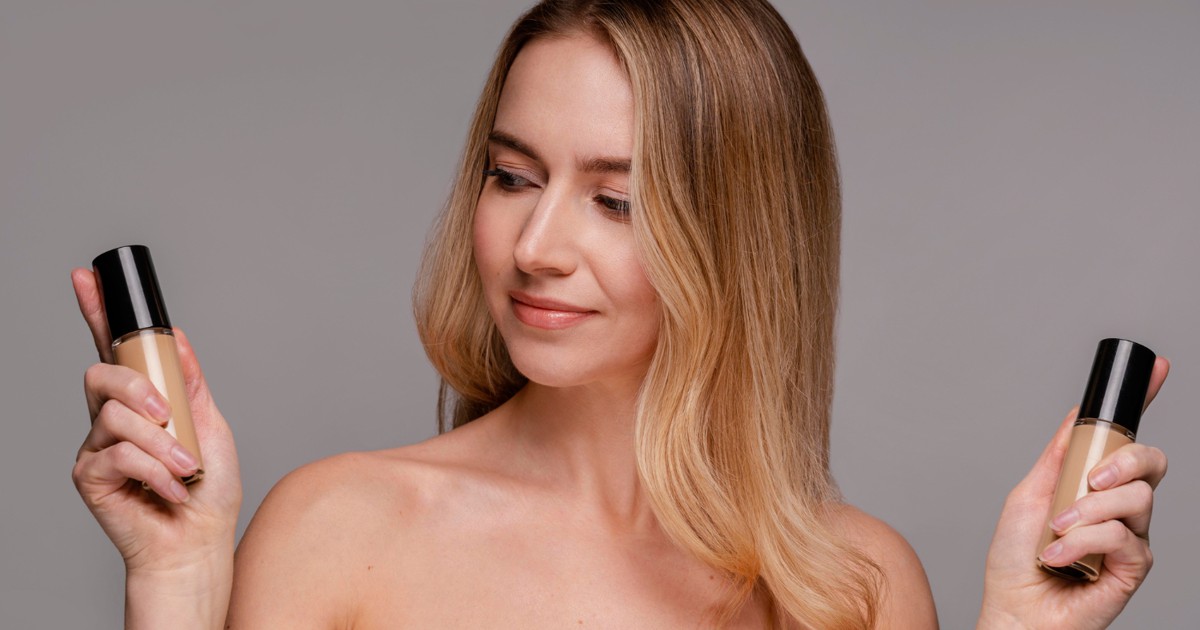
Not every peptide in a serum does the same job. This field guide breaks down the main functional categories, what each one is built to do, and which named ingredients fall into each group.

Copper peptides show up in serums under a few different names, but GHK-Cu is the one with the longest research history. Here is what it actually does and how it differs from other peptide types.

Peptides are one of the most common actives in modern serums, but the label rarely explains what they actually do once they touch skin. Here is the real function, ingredient by ingredient category.
Peptides sit in three very different regulatory categories: cosmetics, supplements, and medicine. Here is what that split actually means for safety, and how to tell which category a product falls into.

Peptides are often described as “sending signals” to cells, but what does that actually mean? Here is what happens between applying a serum or taking a supplement and any visible result.
What the Beauty Magazine Covers
Here, we explain the research behind peptides and cover the skincare formulations built on that science.
How We Cover This
We break down what peptides actually are, how they work in skincare and supplements, and what published research and regulatory guidance actually support. Every claim here is limited to what the evidence backs: we describe what an ingredient may support, not what it treats or cures.
Alongside the science, we cover established luxury skincare, including formulations from houses that apply peptide research in practice. Reviews and guides in this category focus on ingredients, formulation, and what a product is actually built to do, not just the name on the box.
Where to Start
New to the topic? Start with our guide to what peptides actually are, then explore the specific categories below: skincare applications, oral supplements, and the research behind the current interest in this ingredient.
For a quick lookup of any other named peptide in this series, the Peptide Glossary has the full list in one place.